

Education.
Learning that drives performance

Knowledge drives performance - and capability builds culture. At LATUS, we believe training should do more than tick a box; it should transform how people think and work. Our education programs are built to deliver genuine, practical skills, not just certificates. We focus on real-world application, ensuring participants walk away with knowledge they can immediately use to improve safety, compliance, and efficiency. With flexible learning options [on-site, online, or blended] we tailor training to your organisation’s needs. From foundational courses for employees to advanced programs for industry professionals, our training empowers your workforce to perform with competence and confidence. Let us help you build both organisational and professional capability through learning that delivers lasting results.
Tailored training for your business needs.
-

Fatigue Management
Fatigue management is critical for safety, performance, and compliance across transport and heavy vehicle operations. This training stream explains how fatigue affects workers, how to recognise symptoms early, and the legal obligations that apply to all parties: from driver to CEO. Supervisors and schedulers learn how to apply effective rostering, monitoring, and mitigation strategies. At the management level, participants learn how to design compliant fatigue systems, policies, and governance frameworks that withstand audits and legal scrutiny.
-

Load Restraint
This training stream covers the principles and practices required to safely prepare, load, restrain, and transport freight. Participants learn correct restraint methods, risk identification, and ways to prevent load shift or failure. Supervisors and managers gain deeper insight into inspection processes, documentation, and compliance duties under legislation and the Chain of Responsibility. The program ensures organisations minimise risk while maintaining operational efficiency.
-

Chain of Responsibility / Compliance & Enforcement
Chain of Responsibility training builds a deep understanding of the legal framework that governs transport operations and the shared obligations across every party in the supply chain. Participants learn practical ways to identify risks, apply controls, and ensure everyday compliance. For supervisors and managers, the programme explains how to implement CoR systems, develop policies, and monitor compliance performance. Advanced modules cover legislation, national accreditation, and the governance structures required for organisational assurance.
-
Environmental Protection
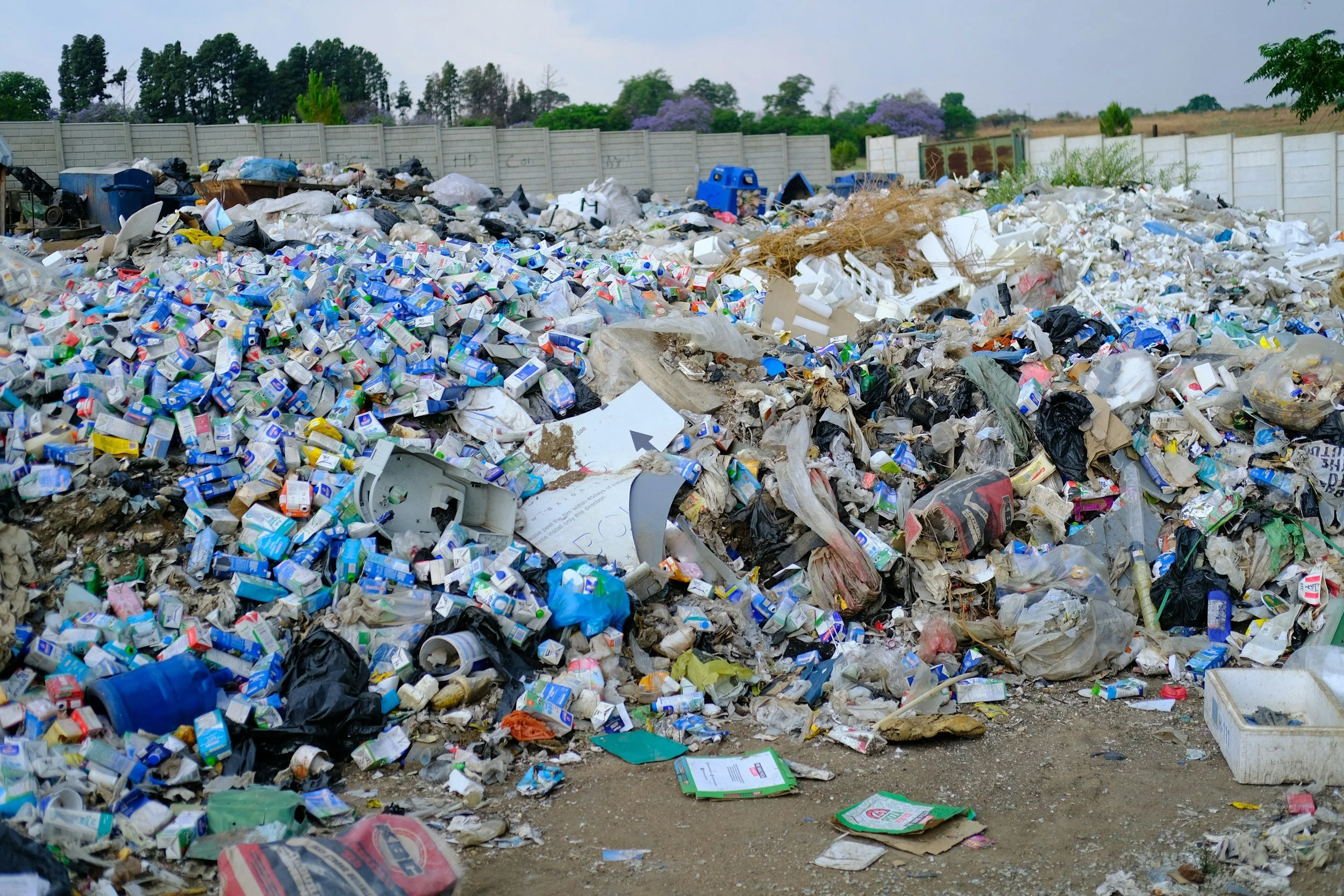
This stream provides targeted environmental management skills for industries operating in sensitive or regulated environments. Each module focuses on a specific environmental aspect (air, noise, water, land, waste, spills, and light pollution) and teaches practical methods to reduce impact and meet compliance standards. Participants learn how to assess risks, implement controls, and respond to environmental incidents. The training strengthens organisational sustainability and regulatory resilience.
-

Workplace Health & Safety
This WHS stream equips workers, supervisors, and managers with the knowledge and skills needed to maintain safe workplaces. Participants learn how to recognise hazards, follow safe work instructions, and apply organisational safety procedures. Supervisors are trained in risk control, workplace inspections, incident response, and documentation. Advanced modules teach system development, auditing, and continuous improvement to ensure compliance with OHS legislation and organisational standards.
-

People, Culture, and Workplace Excellence
The PC&E stream develops interpersonal, leadership, and workforce-management capabilities essential to a healthy and productive organisation. Early modules focus on teamwork, communication, and workplace document management. Leadership-level modules build skill in managing people, handling conflict, delivering customer service, and driving performance. Advanced courses teach industrial relations, recruitment, and personal effectiveness for current and emerging leaders.
-
Logistics Methods
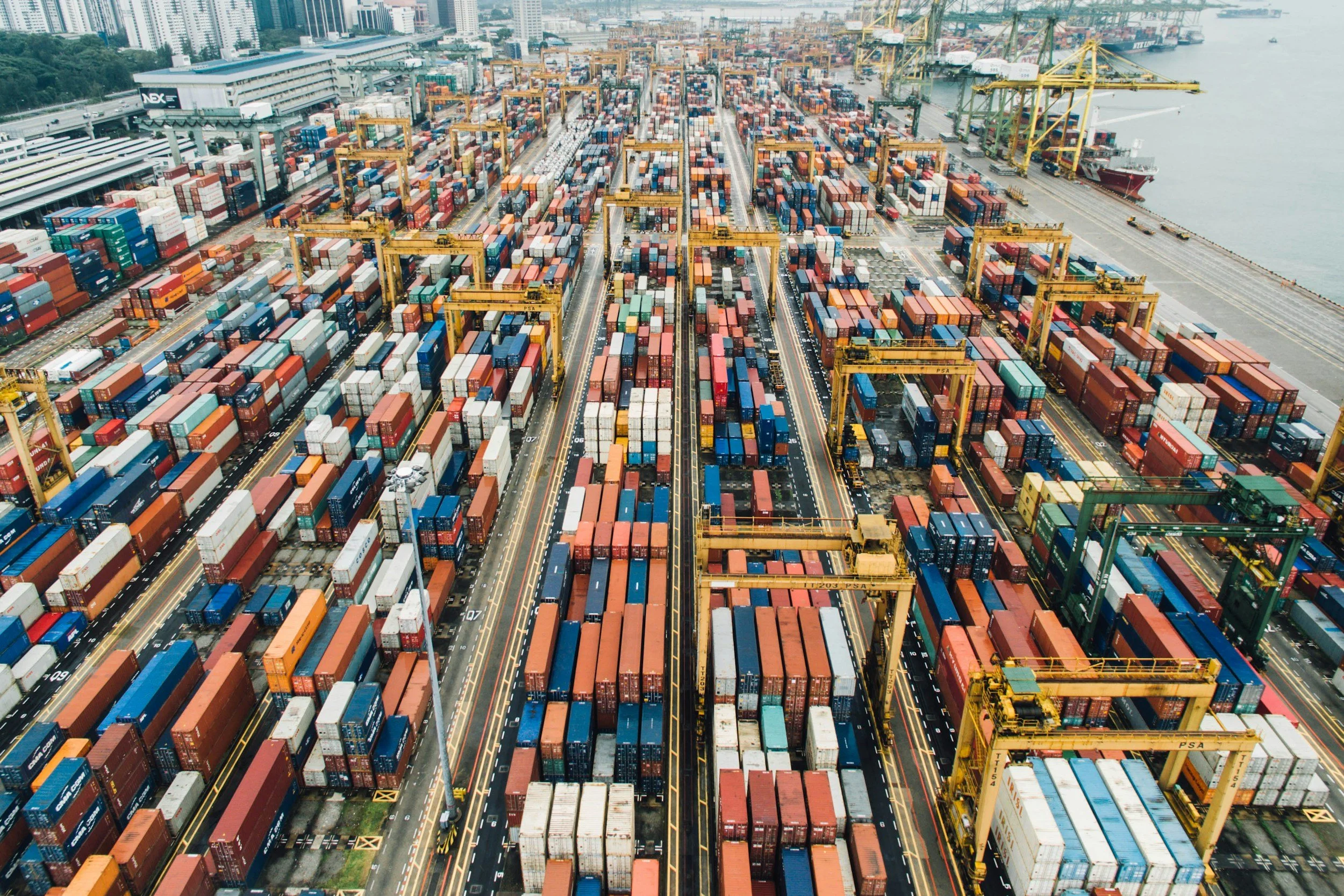
This training stream covers the core skills required to operate and manage logistics functions within complex organisations. Participants learn the fundamentals of transport and logistics operations before progressing to planning, business development, and system improvement. The program provides practical tools for developing operational procedures, improving efficiency, and aligning logistics activities with organisational goals, with budget realities in mind. It is ideal for emerging managers, planners, and coordinators.
-

Frontline Management
The Management Methods stream builds capability in operational decision-making, financial oversight, asset control, and strategic planning. Participants learn practical methods for budgeting, forecasting, resource allocation, and cost analysis. The program also covers contract negotiation, supply chain management, and communication skills crucial for key leadership roles. These modules prepare managers to optimise performance and deliver measurable organisational outcomes.
-

Planning, Scheduling, and Control
This training stream focuses on effective route planning, scheduling, and fleet optimisation. Participants begin with navigation fundamentals before progressing into advanced planning tools used by supervisors and controllers. At the management level, the module explores data-driven optimisation, resource allocation, and decision support. The stream enhances operational efficiency and ensures safer, more reliable transport outcomes.